A marijuana arrest in North Carolina carries real criminal consequences—unlike in states where recreational use is legal. While more than half the country has moved toward legalization, North Carolina still treats marijuana as a Schedule VI controlled substance.
Even a small amount in your pocket or your car along the Crystal Coast might lead to a misdemeanor charge, a fine, or worse. If you are facing marijuana possession charges in Eastern North Carolina, the type of lawyer you hire matters.
You need a North Carolina drug crimes lawyer with deep knowledge of state drug laws and local court procedures. Reach out to Cummings & Kennedy Law Firm for a free consultation today.
Schedule Your Free Consultation
Key Takeaways About Marijuana Possession Charges in North Carolina
- Marijuana remains illegal for recreational and most medical use in North Carolina, and possession charges range from Class 3 misdemeanors to Class I felonies depending on the amount.
- A North Carolina drug crimes lawyer who handles possession cases regularly may identify defense strategies tied to unlawful searches, lack of knowledge, or problems with evidence collection.
- First-time offenders might qualify for conditional discharge under N.C.G.S. § 90-96, which may lead to dismissed charges and the possibility of expungement.
- A lawyer familiar with Carteret County, Craven County, or Onslow County courts brings local knowledge that a general attorney from outside the region may not have.
What Are North Carolina's Marijuana Possession Laws?
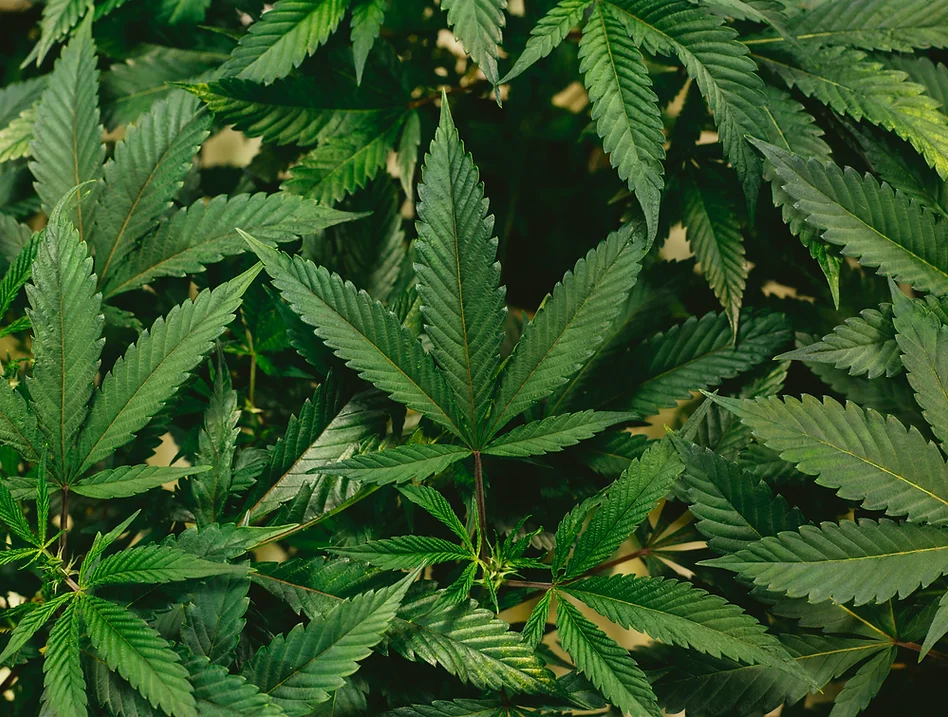
North Carolina classifies marijuana as a Schedule VI controlled substance. The penalties depend almost entirely on the weight of the substance at the time of arrest.
How Penalties Break Down by Amount
Under N.C.G.S. § 90-95(d)(4), here is how the state categorizes marijuana possession charges:
- Half an ounce or less is a Class 3 misdemeanor with a maximum fine of $200 and no jail time
- More than half an ounce up to one and a half ounces is a Class 1 misdemeanor, punishable by up to 120 days in jail depending on prior record level
- More than one and a half ounces but under ten pounds is a Class I felony, with potential imprisonment ranging up to 12 months depending on prior record level and sentencing range
- Ten pounds or more triggers drug trafficking charges with mandatory minimum prison sentences
Even a low-level marijuana charge can leave a court record that appears on background checks for jobs, housing, and professional licensing.
What Separates Simple Possession from Intent to Sell or Deliver
Prosecutors look at the circumstances of your arrest to decide whether to charge simple possession or the more serious offense of possession with intent to manufacture, sell, or deliver. Certain factors raise red flags during an investigation.
- Large quantities of marijuana beyond personal use amounts
- Packaging materials like baggies, scales, or containers
- Large amounts of cash found alongside the substance
- Text messages or communications suggesting drug transactions
- Multiple individually wrapped portions of the substance
The difference in penalties between simple possession and intent to distribute is severe. An experienced North Carolina drug crimes lawyer can challenge how prosecutors interpret these facts and argue that the evidence does not support an elevated charge.
Why Do You Need a North Carolina Drug Crimes Lawyer for a Marijuana Case?
Not all criminal defense attorneys routinely handle drug cases, and that distinction matters when facing a marijuana possession charge. In North Carolina, marijuana possession cases are governed by a specific body of laws and defense strategies that require focused, up to date knowledge to handle effectively.
How a Drug Crimes Attorney Challenges Search and Seizure Issues
Many marijuana arrests involve traffic stops, vehicle searches, or checkpoints along US-70 or NC-24. The Fourth Amendment protects you from unreasonable searches and seizures, and North Carolina law adds further protections. A drug crimes defense attorney in Eastern North Carolina knows how to examine whether law enforcement followed proper procedures during your stop and arrest.
If officers lacked probable cause, extended a routine stop without justification, or searched without a valid warrant, the evidence they collected might be suppressed. Suppressed evidence often weakens the prosecution's case to the point where charges get reduced or dismissed.
How Your North Carolina Drug Crimes Lawyer May Challenge Possession Claims
North Carolina law recognizes two types of drug possession. Actual possession means the substance was on your person or within immediate reach. Constructive possession applies when the substance was in a location you had control over, like a vehicle or a home.
Constructive possession cases are harder for the prosecution to prove. If multiple people had access to where marijuana was found, the state must show you specifically knew about the substance and had both the intent and ability to control it.
A North Carolina drug crimes lawyer may challenge the prosecution's theory by demonstrating that proximity alone does not equal knowledge or control.
How the 90-96 Conditional Discharge Program Works
North Carolina offers a pathway for certain first-time drug offenders to avoid a permanent conviction through the conditional discharge program under N.C.G.S. § 90-96. Instead of entering a traditional conviction, the court places eligible defendants on probation with specific conditions.
Conditions typically include completing a court-approved drug education program, complying with drug testing requirements, and satisfying any probationary terms imposed by the court. If you fulfill every condition, the court dismisses the charges. That dismissal may make you eligible to petition for expungement, which, if granted, can remove the arrest from your criminal record.
Eligibility generally requires no prior convictions for controlled substance offenses or drug paraphernalia possession, subject to statutory exceptions and judicial discretion. The charge must involve simple possession rather than intent to distribute. A North Carolina drug crimes lawyer familiar with your county's court practices may advocate for your inclusion in this program.
How Does Your Arrest Location Affect a Marijuana Possession Case in Eastern North Carolina?
Where you get arrested plays a bigger role in your case than most people realize. Different counties handle drug cases in different ways, and the location of the arrest may change the charges you face.
Seasonal Enforcement Along the Crystal Coast
The Crystal Coast sees a dramatic population increase during summer. Law enforcement in Carteret County and Onslow County ramps up enforcement during peak periods, and marijuana arrests often spike during Memorial Day, the Fourth of July, and Labor Day weekends.
If you are visiting from out of state and get arrested in Beaufort, Morehead City, or anywhere along the coast, you face the added burden of navigating an unfamiliar court system. A local drug crimes lawyer in Eastern North Carolina may handle court appearances on your behalf, reducing the trips you need to make back to the area.
What Military Members Near Camp Lejeune and Cherry Point Face After an Arrest
Active-duty military members arrested for marijuana possession off-base face civilian criminal charges under North Carolina law, but the consequences rarely stop there. Here is what military personnel may encounter after a marijuana arrest:
- Command notification may follow a civilian arrest
- Security clearances face review or potential revocation
- Base driving privileges might be suspended independently of the civilian case
- Administrative separation proceedings or non-judicial punishment under the UCMJ may be initiated, depending on command discretion
The civilian and military systems operate separately, but they inform each other. A North Carolina drug crimes lawyer who understands the military justice landscape may help you manage both sets of consequences simultaneously.
Drug Offenses Near Schools, Parks, and Public Areas
North Carolina law imposes harsher penalties for drug offenses near certain locations. Under N.C.G.S. § 90-95, selling or delivering a controlled substance within 1,000 feet of a school, child care center, or public park can elevate the offense to a higher felony classification. Prosecutors in some jurisdictions also use proximity to these locations as leverage during plea negotiations in possession-only cases.
What Happens After a Marijuana Arrest in Eastern North Carolina
The period following a marijuana arrest is full of deadlines, court dates, and decisions that affect the outcome of your case.
How the Court Process Moves Forward
After your arrest, you receive a court date for your first appearance. In Carteret County and surrounding jurisdictions, this typically happens within a few weeks. The judge informs you of the charges and your rights, and you do not need to enter a plea at this stage.
From there, your attorney may file motions to suppress evidence, negotiate for reduced charges or a conditional discharge, or prepare for trial. The path forward depends on the facts of your arrest and the strength of the evidence.
Why Protecting Your Record Matters More Than You Think

A marijuana conviction, even a misdemeanor, creates a criminal record that shows up on background checks for employers, landlords, and licensing boards. For military personnel near Camp Lejeune or Cherry Point, the consequences multiply.
A North Carolina drug crimes lawyer evaluates every avenue for keeping your record clean, and here are some strategies that may apply:
- Filing motions to suppress evidence obtained through unlawful searches
- Pursuing the 90-96 conditional discharge program for eligible first-time offenders
- Negotiating a plea to a lesser charge with fewer long-term consequences
- Challenging constructive possession claims when multiple people had access to the location
- Taking the case to trial when the facts support that strategy
Every decision at this stage carries weight, and working with a North Carolina drug crimes lawyer gives you a stronger position throughout the process.
How Cummings & Kennedy Law Firm Fights Marijuana Charges in Eastern North Carolina
Cummings & Kennedy Law Firm handles drug crime defense throughout the Crystal Coast, from Beaufort and Morehead City to New Bern and Jacksonville. The firm serves people arrested for marijuana possession across Carteret County, Craven County, Onslow County, Pamlico County, and Jones County.
A Defense Team That Knows the Local Courts
Practicing in smaller coastal communities means understanding how local judges, prosecutors, and courthouses actually operate. The attorneys at Cummings & Kennedy Law Firm appear regularly in the Carteret County Courthouse in Beaufort and in courts throughout Eastern North Carolina. That familiarity with local procedures makes a real difference when negotiating on your behalf.
Criminal Defense Is the Focus
Some law firms spread themselves across family law, personal injury, and business disputes. Cummings & Kennedy Law Firm focuses on criminal defense, meaning marijuana possession charges and felony drug cases get concentrated attention.
Military Members and Out-of-State Visitors
Eastern North Carolina is home to Camp Lejeune and MCAS Cherry Point, plus the entire Crystal Coast tourist corridor. Military members arrested for marijuana possession face consequences beyond the courtroom, including potential impacts to security clearances and military careers.
Out-of-state visitors face the challenge of appearing in an unfamiliar court system far from home. Cummings & Kennedy Law Firm understands both situations and tailors its defense approach accordingly. Contact the firm today to set up a free consultation.
FAQs for a North Carolina Drug Crimes Lawyer
Is marijuana legal in North Carolina?
No. Marijuana remains illegal for recreational and most medical purposes in North Carolina. The state classifies it as a Schedule VI controlled substance under N.C.G.S. § 90-95. While a Cannabis Advisory Council is studying potential regulatory changes, no legalization measure has passed into law as of early 2026.
What are the penalties for possessing a small amount of marijuana?
Possession of half an ounce or less is a Class 3 misdemeanor under N.C.G.S. § 90-95(d)(4). This charge does not carry jail time but includes a maximum fine of $200 and creates a criminal record. Amounts above half an ounce face increasingly serious charges, up to felony prosecution for quantities over one and a half ounces.
What is the 90-96 conditional discharge program?
The program under N.C.G.S. § 90-96 gives eligible first-time drug offenders a chance to complete probation and a drug education program in exchange for having their charges dismissed. If you complete all conditions, the court dismisses the charge, and you may qualify for expungement.
Do I need a lawyer for a misdemeanor marijuana charge?
Even a Class 3 misdemeanor creates a criminal record that may affect employment, housing, and educational opportunities. An attorney familiar with North Carolina drug laws may help you pursue alternatives like the 90-96 program, challenge the evidence, or negotiate a better outcome.
What if I was arrested for marijuana near Camp Lejeune or Cherry Point?
Military members face both civilian criminal consequences and potential military repercussions, including command notification, security clearance review, and possible administrative separation. A North Carolina drug crimes lawyer who understands civilian and military systems may help you manage both sets of consequences.
Take Action Now and Talk to a North Carolina Drug Crimes Lawyer About Your Case

A marijuana arrest does not define your future, but the choices you make now influence how the case moves forward. North Carolina prosecutors pursue drug charges aggressively, and the consequences can extend well beyond a single court date. Employment, housing, military service, and future opportunities may all be affected.
Cummings & Kennedy Law Firm represents individuals facing marijuana possession and other drug charges across Carteret County, Craven County, Onslow County, and the Crystal Coast. Whether you live locally, serve at Camp Lejeune, or were arrested while visiting the area, the firm offers focused representation tailored to these cases.
If you are dealing with a marijuana possession charge in Eastern North Carolina, speaking with an experienced defense lawyer can help clarify your options and next steps. Contact Cummings & Kennedy Law Firm today for a free consultation.